
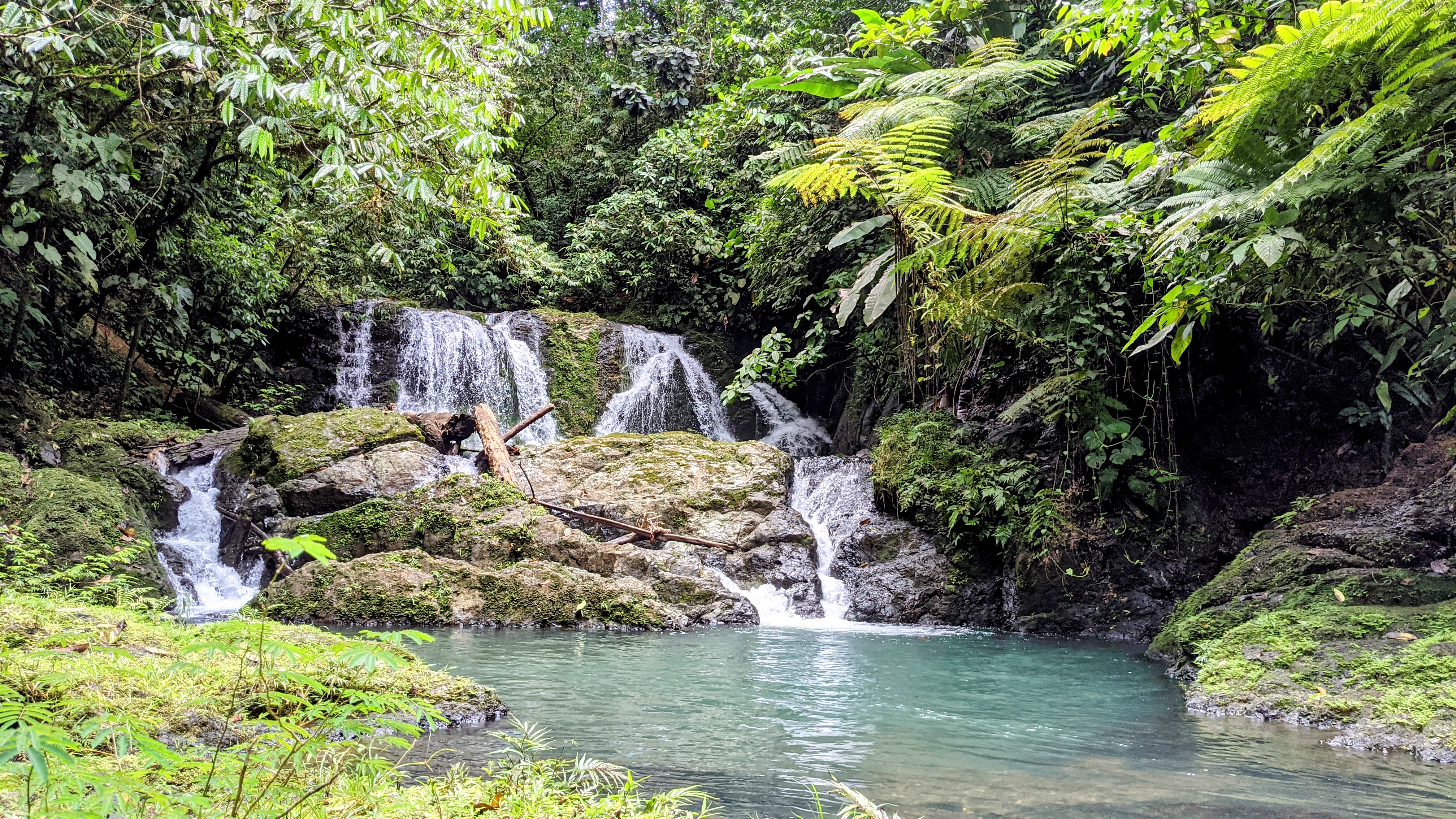
Costa Rica’s Southern Zone has become one of the country’s most distinctive real estate regions. Areas such as Dominical, Uvita, Ojochal, and parts of the Osa Peninsula attract buyers seeking lower-density development, environmental immersion, and long-term scarcity exposure.
Unlike more urbanized or infrastructure-concentrated markets, the Southern Zone is defined largely by terrain complexity, rainforest geography, protected land, and relative remoteness. These characteristics influence not only lifestyle appeal, but also construction realities, liquidity behavior, infrastructure access, and long-term acquisition risk.
Buyers unfamiliar with Costa Rica market dynamics may also benefit from reviewing how our buyer representation framework approaches regional evaluation, pricing analysis, due diligence coordination, and acquisition risk assessment throughout the acquisition process.
Much of the Southern Zone’s appeal is tied to environmental scarcity. Large areas of protected rainforest, mountainous terrain, ocean-view ridgelines, and lower development density contribute to a perception of exclusivity that differs materially from more heavily developed coastal regions.
Buyers are often drawn by privacy, ecological surroundings, and lower-density ownership environments rather than proximity to urban infrastructure or large tourism corridors.
This has contributed to increasing interest from eco-oriented buyers, remote workers, wellness-focused developments, and luxury buyers prioritizing environmental setting over urban accessibility.
Terrain complexity, infrastructure access, environmental conditions, and long-term liquidity can vary significantly across Costa Rica’s Southern Zone.
A buyer-side evaluation process can help assess infrastructure realities, pricing behavior, ownership risks, and long-term acquisition positioning before significant capital is committed.
Discuss Your Acquisition StrategyFor a more precise evaluation, you can also provide additional context.
The Southern Zone’s geography introduces operational realities that buyers should evaluate carefully. Steep terrain, heavy rainfall, drainage considerations, road access, retaining structures, water sourcing, and maintenance logistics can all materially influence ownership outcomes.
Infrastructure consistency can vary substantially between submarkets and individual properties. Certain areas may have stronger road connectivity and utilities, while others remain significantly more remote and operationally complex.
Buyers evaluating hillside or jungle properties should often coordinate engineering, drainage, and structural analysis early in the due diligence process.
Compared to regions such as the Central Valley or portions of Guanacaste, the Southern Zone generally operates with lower transaction volume and a narrower buyer pool.
This does not necessarily reduce long-term opportunity, but it can affect resale timelines, pricing volatility, and liquidity behavior during broader market slowdowns.
As discussed in our Costa Rica market analysis, lower-volume markets often require stronger pricing discipline and longer investment horizons.
Pricing within the Southern Zone is often highly localized. Ocean-view orientation, elevation, road access, water availability, proximity to beaches, and environmental surroundings can all significantly influence valuation behavior.
Buyers should avoid relying exclusively on asking prices or generalized regional assumptions when evaluating value. As outlined in our property valuation guide, Costa Rica’s fragmented market structure frequently creates inconsistencies between listing presentation and underlying market value.
The Southern Zone may appeal particularly to buyers seeking:
• environmental privacy
• lower-density development environments
• eco-luxury positioning
• long-term land scarcity exposure
• wellness-oriented or retreat-style ownership
• reduced commercialization relative to larger tourism corridors
Buyers prioritizing stronger infrastructure consistency, higher transaction liquidity, or urban convenience may ultimately prefer regions such as the Central Valley or more infrastructure-developed coastal markets.
Costa Rica’s Southern Zone offers one of the country’s strongest combinations of environmental scarcity, low-density development, and eco-oriented ownership appeal.
At the same time, market outcomes remain heavily dependent on terrain analysis, infrastructure realities, pricing discipline, and long-term ownership strategy.
For foreign buyers, evaluating the Southern Zone requires balancing environmental appeal and scarcity narratives against operational complexity, infrastructure variability, and long-term liquidity considerations within Costa Rica’s evolving real estate landscape.
 CCCBR Member
 REALTOR®
A buyer-side evaluation process can help assess terrain complexity, infrastructure realities, pricing behavior, environmental considerations, and long-term acquisition positioning before acquisition decisions are finalized.
Discuss Your Acquisition StrategyFor a more precise evaluation, you can also provide additional context.