
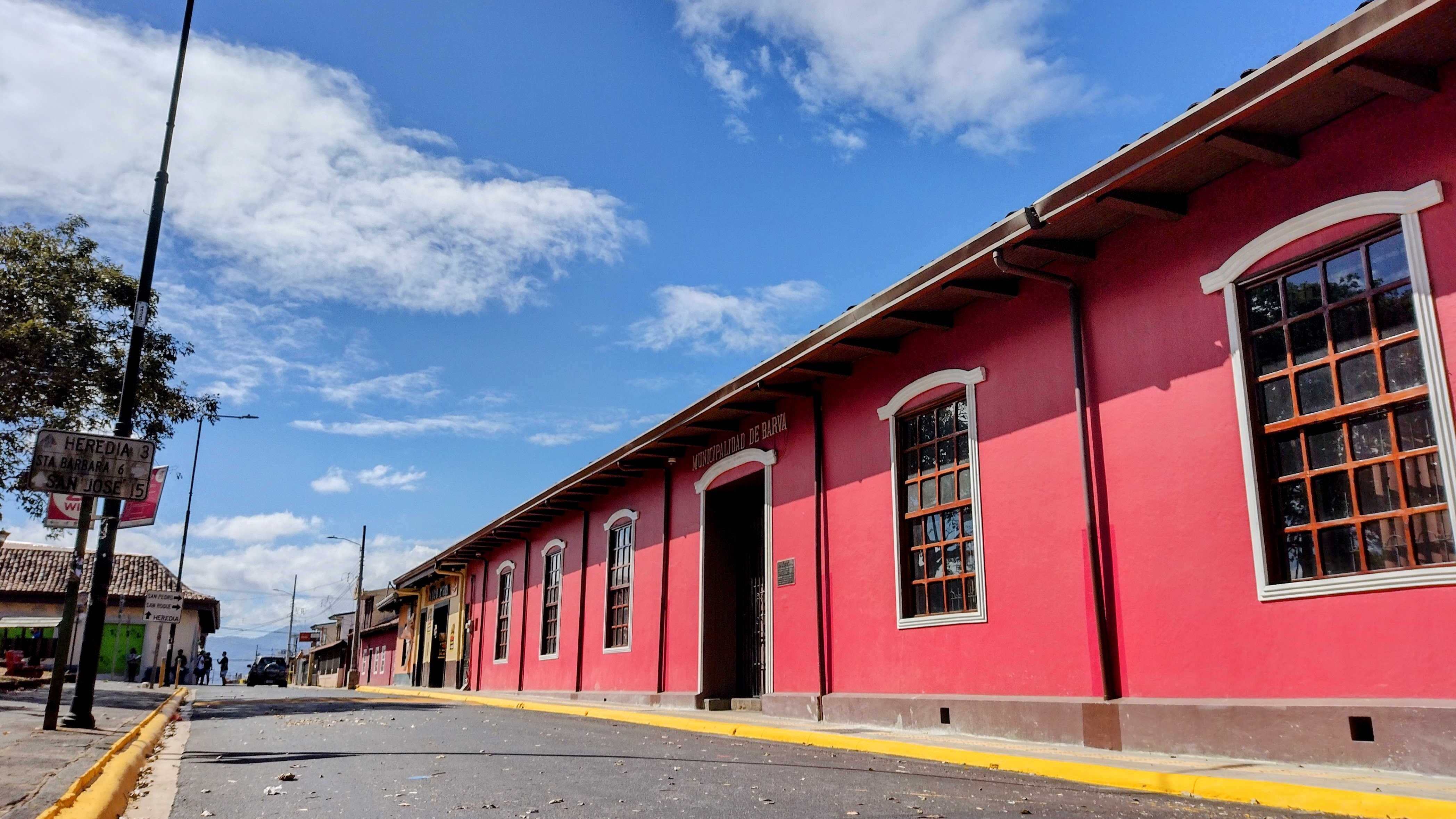
Costa Rica’s Central Valley remains one of the country’s most established and structurally developed real estate regions. For foreign buyers prioritizing infrastructure, healthcare access, long-term residency, and year-round liquidity, the region operates differently from many tourism-driven coastal markets.
The Central Valley includes San José and surrounding areas such as Escazú, Santa Ana, Heredia, Curridabat, Atenas, Grecia, and Rohrmoser. While these markets vary considerably in density, pricing, and buyer profile, they generally share stronger infrastructure and service availability relative to many coastal and rural regions.
For buyers unfamiliar with Costa Rica market dynamics, our buyer representation framework outlines how regional evaluation, pricing analysis, due diligence coordination, and acquisition risk assessment are approached throughout the acquisition process.
One of the Central Valley’s primary advantages is infrastructure consistency. Buyers relocating full time often prioritize access to private healthcare, international schools, fiber internet, airports, and reliable road connectivity.
Compared to many coastal regions, utilities and public services tend to be more predictable. This influences not only quality of life, but also long-term operational stability and resale positioning.
These advantages have contributed to sustained demand from retirees, professionals, remote workers, and families seeking a more stable long-term residency environment.
Infrastructure, liquidity, and long-term residency considerations vary significantly between Costa Rica’s regional markets.
A buyer-side evaluation process can help assess regional fit, pricing behavior, infrastructure quality, and transaction considerations before significant capital is committed.
Discuss Your Acquisition StrategyFor a more precise evaluation, you can also provide additional context.
Unlike heavily tourism-dependent regions, the Central Valley is tied more closely to Costa Rica’s domestic economy and multinational services sector.
This creates a more diversified demand base. Buyers are not relying exclusively on vacation-driven demand or seasonal tourism flows. Instead, the market benefits from year-round residential activity tied to employment, education, healthcare, and long-term residency.
As outlined in our Costa Rica market analysis, regions supported by broader economic activity often exhibit different liquidity characteristics than tourism-concentrated submarkets.
Pricing in the Central Valley can still vary substantially depending on municipality, infrastructure access, security profile, school proximity, elevation, and neighborhood reputation.
Escazú and Santa Ana, for example, command materially higher pricing due to international demand, gated communities, and concentration of services. Other municipalities may offer lower entry prices while also presenting different infrastructure or liquidity characteristics.
Buyers should avoid assuming that pricing consistency functions similarly to highly centralized North American markets. As discussed in our property valuation guide, Costa Rica remains a fragmented market where asking prices and actual market value often diverge.
The Central Valley’s advantages do not eliminate tradeoffs. Traffic congestion, urban density, smaller lot sizes, and increasing development pressure remain important considerations in certain districts.
Buyers prioritizing beach access or tourism-oriented lifestyle environments may ultimately prefer coastal regions despite increased infrastructure variability.
Regional selection should ultimately align with residency goals, liquidity priorities, infrastructure expectations, and long-term use plans rather than lifestyle marketing alone.
For many foreign buyers, the Central Valley represents one of Costa Rica’s more stable long-term acquisition environments. Stronger infrastructure, broader demand drivers, and year-round economic activity can support both livability and liquidity over time.
At the same time, outcomes still depend heavily on neighborhood selection, pricing discipline, ownership structure, and transaction execution.
In practice, the Central Valley is not a single market, but a collection of submarkets with different pricing dynamics, infrastructure conditions, and buyer profiles. Understanding those distinctions is central to evaluating long-term positioning within Costa Rica’s evolving real estate landscape.
 CCCBR Member
 REALTOR®
A buyer-side evaluation process can help assess regional fit, infrastructure, liquidity, pricing behavior, and transaction considerations before acquisition decisions are finalized.
Discuss Your Acquisition StrategyFor a more precise evaluation, you can also provide additional context.