
Moving to Costa Rica: What Foreign Buyers Need to Know About Life, Costs, and Real Estate
What life, costs, and the property market actually look like on the ground in Costa Rica
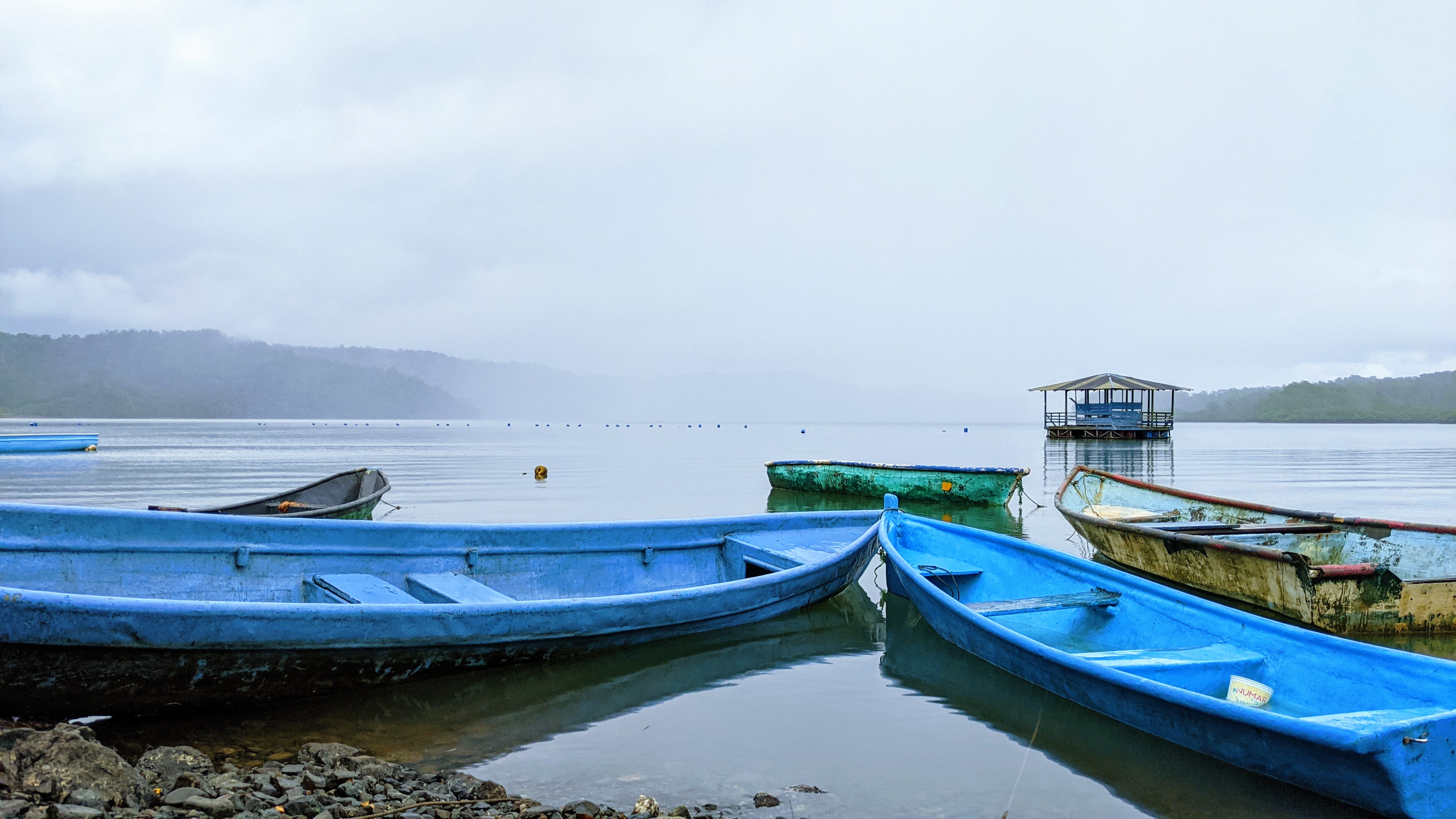
Costa Rica continues to attract foreign buyers, both as a lifestyle destination and as a real estate market. While the appeal is clear, the decision to relocate or purchase property requires a more grounded understanding of how the country actually functions day to day.
Many buyers begin with a simple question: can foreigners buy property in Costa Rica. The answer is yes, but the more important consideration is how the market actually works in practice.
Buyers unfamiliar with Costa Rica market dynamics may also benefit from reviewing how our buyer representation framework approaches regional evaluation, pricing analysis, due diligence coordination, and acquisition risk assessment.
The lifestyle is real, but it’s not “easy mode”
Costa Rica can offer a slower pace of life, with greater access to nature and a stronger sense of community. At the same time, daily processes often operate at a different rhythm. Services, logistics, and administrative tasks can take longer than in North America, requiring a degree of flexibility and patience from long-term residents.
The country is small, but it contains multiple worlds
One of the most misunderstood things about Costa Rica is how different one region can be from another.
Regional differences are significant. The Central Valley offers the highest level of infrastructure and services, while coastal regions provide the lifestyle many buyers seek, often with tradeoffs in logistics and reliability. Mountain and inland areas can offer a balance between climate and tranquility, though typically with reduced access to amenities.
If you're evaluating where to focus, our Costa Rica real estate market analysis breaks down regional dynamics.
Cost of living depends more on choices than on the country
Some people arrive expecting Costa Rica to be dramatically cheaper than North America. Others assume it will be expensive. The truth is: your cost of living here is largely the result of your choices.
If you want imported products, a high-end home, air conditioning, frequent travel, and private services, you can spend like you’re in a major U.S. city. If you live more locally, seasonal foods, simpler housing, fewer imported habits, Costa Rica can feel refreshingly manageable.
A useful way to think about it: Costa Rica can be affordable, but convenience has a price.
Healthcare is one of the biggest surprises, in a good way
Costa Rica’s healthcare system is often a major positive factor for long-term residents. Many long-term residents use a mix of public and private care depending on the situation. The key is planning: know what you want for routine care, what you’d do in an emergency, and where the best options are near your chosen area.
Real estate decisions require context, not just emotion
Real estate here isn’t just about the view. It’s about due diligence. The “boring” details matter: access roads, water, boundaries, title clarity, HOA rules, and what you can legally build or rent.
For a clearer understanding of pricing and comparables, see our property valuation guide, and for a breakdown of ownership costs, review Costa Rica real estate taxes and transaction costs.
Before You Commit to Property in Costa Rica
Legal structure, infrastructure, and property-level risks are not always visible during initial research or site visits.
A buyer-side evaluation process can help assess regional differences, infrastructure, ownership considerations, and property-level risks before long-term decisions are finalized.
Discuss Your Acquisition StrategyFor a more focused discussion, you can also provide additional context.
Long-term planning requires local understanding
Costa Rica offers real opportunity, particularly in regions supported by tourism, services, and long-term relocation demand.
In practice, outcomes are shaped less by initial expectations and more by how well buyers understand the tradeoffs involved. Costa Rica offers both opportunity and complexity, and navigating it successfully depends on aligning location, lifestyle, and long-term ownership objectives from the outset.
For many buyers, this process begins with time spent in different regions, allowing for a clearer understanding of both the advantages and the constraints of each location before making a long-term commitment.
Frequently Asked Questions
Is Costa Rica expensive to live in?
It depends on lifestyle. Imported goods, private services, and high-end housing can make costs comparable to major U.S. cities, while a more local lifestyle can significantly reduce expenses.
Can foreigners live full-time in Costa Rica?
Yes, but residency is a separate legal process from property ownership. Many buyers initially spend time in the country before formalizing residency.
Is moving to Costa Rica a good investment?
It can be, but outcomes depend heavily on location, property selection, and long-term planning. Understanding market structure and local conditions is critical.